
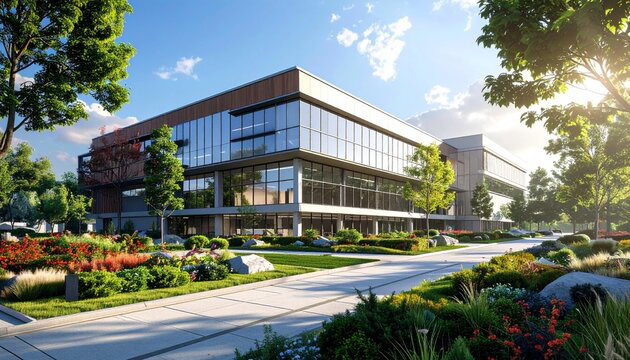
When facility managers think about pest prevention, landscaping is not always the first factor that comes to mind. Yet the plants, mulch, irrigation, and layout surrounding a building can significantly influence pest activity. Strategic landscaping choices can reduce pest harborage, limit entry points, and support long-term pest management.
For commercial properties such as food processing facilities, warehouses, healthcare campuses, and office parks, pest-resistant landscaping is an important part of protecting both the building and the people inside it.
Why Landscaping Matters in Pest Management
Landscaping directly affects the environment around a facility. Dense vegetation, excessive moisture, and organic debris create ideal conditions for pests to live, reproduce, and move closer to structures.
Common landscaping-related pest pressures include:
- Rodents nesting in thick ground cover or shrubs near buildings
- Ants and cockroaches attracted to moist soil and mulch
- Stinging insects nesting in overgrown plant beds or trees
- Flies and other nuisance insects breeding in damp organic material
Once pests establish themselves near a building’s exterior, they are more likely to enter through doors, gaps, vents, or utility penetrations.
Thoughtful landscaping design reduces these risks and helps create a natural barrier between pests and your facility.
Key Principles of Pest-Resistant Landscaping for Commercial Properties
Maintain Clear Zones Around the Building
One of the most effective ways to reduce pest pressure is maintaining a vegetation-free buffer around the building.
Best practices include:
- Keep plants, shrubs, and trees at least 18–24 inches away from the structure
- Use gravel or decorative rock instead of organic mulch directly against the building
- Avoid dense ground cover that can hide rodent burrows
These buffer zones reduce hiding places for pests and make it easier to inspect the building perimeter.
Choose Low-Maintenance, Pest-Resistant Plants
Certain plants attract insects or produce dense foliage that provides shelter for pests. When designing landscapes for commercial properties, select plants that require minimal irrigation and produce less organic debris.
Consider plants that grow upright rather than sprawling; produce less fruit, seeds, or sap; and require less frequent watering.
Native or drought-tolerant plants often perform well because they require less maintenance and irrigation.
Manage Moisture Carefully
Excess moisture is one of the biggest contributors to pest activity. Irrigation systems, drainage issues, and overwatering can create conditions that attract pests such as ants, cockroaches, mosquitoes, and flies.
To reduce moisture-related pest pressure:
- Direct irrigation away from the building foundation
- Fix leaks in irrigation systems promptly
- Ensure proper drainage so water does not pool near structures
- Use drip irrigation rather than overhead watering where possible
- Dry, well-drained soil discourages many pest species from establishing nests.
Limit Organic Mulch Near the Structure
Mulch is commonly used in landscaping, but it can also create a favorable habitat for pests. Organic mulch retains moisture and provides shelter for insects and rodents.
If mulch is used:
- Keep it at least 12 inches away from the foundation
- Avoid thick mulch layers near entry points
- Consider stone or rubber mulch in high-risk areas
This simple change can significantly reduce pest harborage.
Keep Landscaping Well Maintained
Even the best landscape design can become a pest issue if it is not maintained.
Routine maintenance should include:
- Trimming shrubs and branches away from buildings and roofs
- Removing fallen fruit, leaves, and organic debris
- Monitoring for rodent burrows or insect nests
- Keeping grass cut short near the building perimeter
Well-maintained landscapes make it harder for pests to establish populations close to the facility.
Landscaping and Integrated Pest Management
Pest-resistant landscaping works best when it is part of a broader Integrated Pest Management (IPM) program. IPM focuses on long-term prevention through environmental management, monitoring, and targeted treatments when necessary.
For commercial properties, this approach helps:
- Reduce reliance on chemical treatments
- Improve sanitation and facility protection
- Support regulatory compliance in food and healthcare environments
By addressing pest pressures outside the building, facilities can prevent many infestations before they begin.
Designing Landscapes That Protect Your Facility
Landscaping decisions have lasting impacts on pest activity around commercial buildings. Thoughtful plant selection, proper spacing, moisture management, and routine maintenance all play a role in creating a more pest-resistant environment.
When landscaping is designed with pest prevention in mind, it becomes a valuable layer of protection for your facility, employees, and customers.
If you are planning updates to your landscape or noticing increased pest activity around your building, partnering with a pest management professional can help identify risk areas and develop strategies that support long-term prevention.