
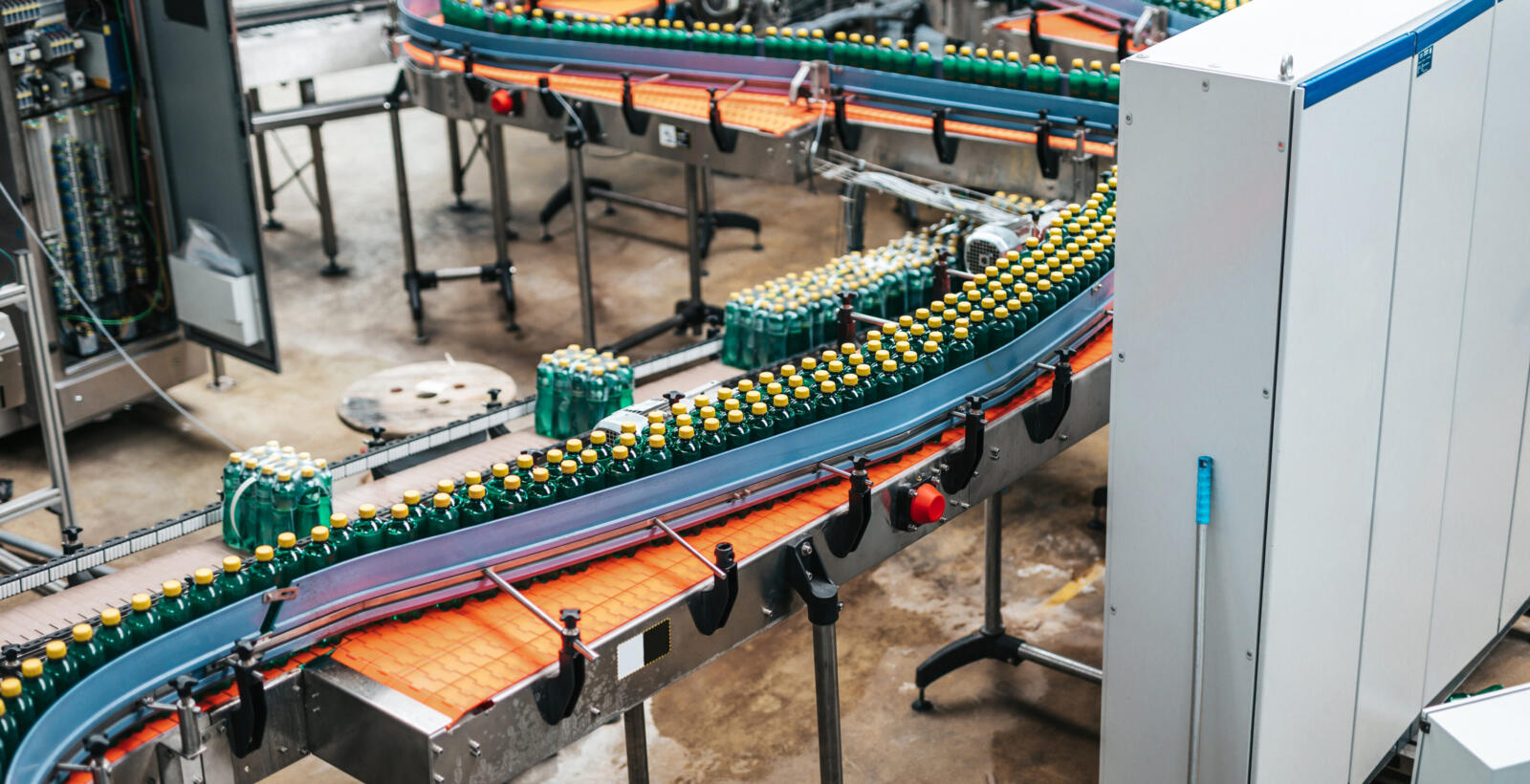
In food processing environments, pest pressure is not evenly distributed. Certain areas consistently carry higher risk due to product exposure, environmental conditions, and operational activity. Quality Assurance labs, food dust accumulation zones, and Research and Development spaces are among the most vulnerable areas in a facility. If pests gain access to these spaces, the consequences can be severe, including contamination, audit failures, production shutdowns, and damage to brand reputation.
Understanding where these risks exist and how to proactively manage them is essential for protecting food safety and regulatory compliance.
Quality Assurance Areas: Where the Stakes Are Highest
Quality Assurance spaces are the backbone of food safety programs. These areas house testing samples, documentation, and sometimes retained product. Because QA environments often contain food materials and are designed for accessibility and workflow efficiency, they can inadvertently create opportunities for pests.
Small spills, open samples, cardboard packaging, and frequent foot traffic all increase risk. Even minimal pest activity in a QA area can compromise test results or trigger serious audit findings.
Sprague addresses QA risks through targeted inspection protocols and strict exclusion strategies. Our technicians focus on sealing entry points, monitoring activity trends, and aligning pest control programs with QA workflows. This ensures pest management supports, rather than disrupts, critical food safety processes.
Food Dust Accumulation: A Hidden Pest Magnet
Food dust is one of the most underestimated pest attractants in processing facilities. Whether it comes from grains, sugar, flour, or powdered ingredients, fine food particles can accumulate in hard-to-reach places such as overhead beams, equipment voids, conveyor systems, and floor cracks.
These areas provide pests with a reliable food source and shelter while remaining largely undisturbed. Stored product pests and rodents are particularly drawn to food dust, and infestations can grow unnoticed until they reach a critical level.
Sprague works with facilities to identify and prioritize food dust hot spots. Our programs integrate sanitation recommendations, targeted monitoring, and species-specific control strategies. By focusing on early detection and prevention, we help eliminate conditions that allow infestations to take hold in the first place.
Research and Development Spaces: Innovation Meets Vulnerability
R&D areas are often dynamic and constantly changing. New ingredients, experimental products, and frequent material movement make these spaces especially challenging from a pest management perspective. Unlike production areas, R&D spaces may not always follow standardized cleaning or storage routines, increasing the likelihood of pest attraction.
Because these areas support innovation and product development, any pest issue can delay timelines and compromise testing integrity.
Sprague partners closely with R&D teams to design flexible pest management plans that adapt as projects evolve. This includes customized monitoring placements, proactive inspections during process changes, and clear communication between Sprague technicians and facility leadership. The goal is to protect innovation without slowing it down.
How Sprague Prevents High-Risk Situations
High-risk areas require more than reactive pest control. They demand a proactive, data-driven approach that addresses both pest activity and the conditions that attract pests.
Sprague’s food safety programs are built around prevention and partnership. Our approach includes:
- Facility-specific risk assessments to identify vulnerable zones
- Advanced monitoring and trending to catch issues early
- Species-specific treatment strategies that minimize risk to food and people
- Sanitation and exclusion recommendations aligned with regulatory standards
- Detailed documentation to support audits and inspections
Our technicians are trained to understand food processing environments and the unique pressures they face. We work as an extension of your food safety and QA teams, helping you stay ahead of potential issues before they impact operations.
Protecting What Matters Most
In food processing facilities, pests do not need much to cause major disruption. High-risk areas like QA, food dust zones, and R&D spaces require heightened awareness and specialized strategies to stay protected.
By focusing on prevention, communication, and continuous improvement, Sprague helps food processors reduce risk, maintain compliance, and protect their products and reputation. When pest management is aligned with food safety goals, high-risk areas become well-managed, controlled environments rather than points of vulnerability.