
Rodent pressure continues to rise across the country, especially in dense urban areas and food-related industries. Large commercial buildings are particularly vulnerable because of their size, complex infrastructure, and frequent movement of goods and people. Even the smallest structural gap can create an opportunity for rodents, and once inside, they multiply quickly, threaten food safety, damage equipment, and compromise audit readiness.
Identifying rodent entry points in commercial structures is the foundation of a strong prevention strategy. Our exclusion experts inspect facilities from roofline to foundation to uncover hidden vulnerabilities and customize a plan that keeps rodents out. Below are the top overlooked access points we find during commercial inspections.
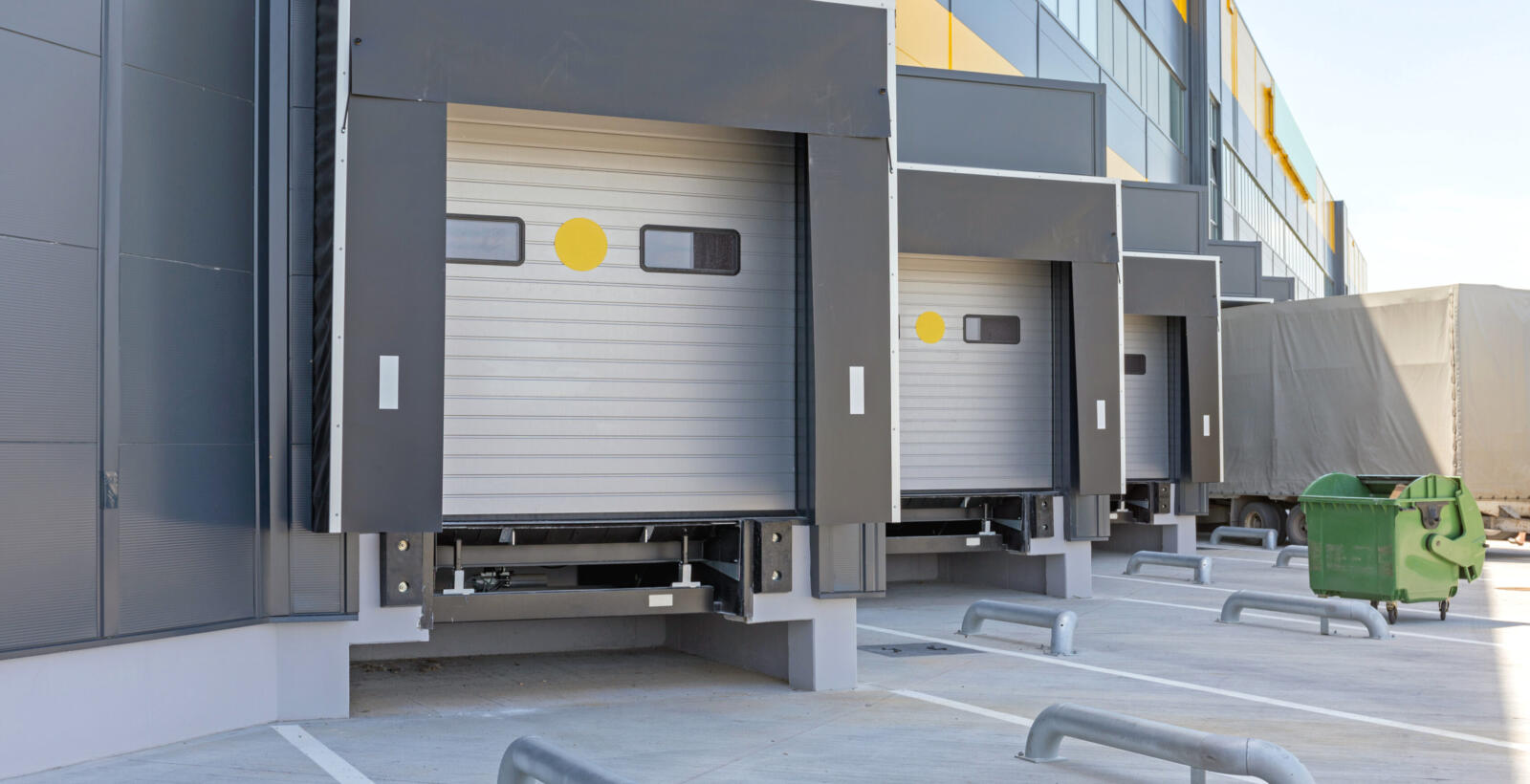
1. Loading Docks and Overhead Door Gaps
Large roll-up doors and dock plates rarely maintain a perfect seal. Heavy use causes edges to warp, gaskets to wear, and gaps to widen over time. These openings are one of the easiest ways for rodents to slip inside undetected.
Sprague protects your facility by:
- Inspect every dock door during routine service
- Install or recommending commercial-grade sweeps and brush seals
- Monitor dock activity to identify patterns that increase exposure.
Our exclusion teams ensure loading areas are no longer the weak point in your building envelope.
2. Utility Penetrations Behind Equipment
Electrical lines, plumbing, and gas connections often create gaps where they enter the building. These areas are typically hidden behind machinery or stored materials, making them easy to miss until an infestation develops.
Sprague protects your facility by:
- Provide suggestions to your facility maintenance team like using a copper mesh, concrete patch, or other rodent-proofing materials to seal gaps.
- Document new penetrations on service reports created during facility repairs or equipment upgrades.
- Continue to monitor known breach areas in ongoing
We help ensure your infrastructure doesn’t invite pests inside.
3. Rooflines, Vents, and HVAC Curbs
Rodents can access roofs by climbing downspouts, trees, or building materials. Once on the roof, they exploit torn vent screens, loose flashing, and gaps around HVAC units.
Sprague protects your facility by:
- Identify structural vulnerabilities caused by weather or age.
- When needed, conduct roof inspections as part of your program
- Recommend replacing damaged screens, securing vent openings, and other maintenance suggestions.
Our technicians are trained to inspect areas facility teams may not routinely access.
4. Vegetation and Exterior Landscaping
Bushes, ivy, stacked materials, and decorative stone provide cover and close-to-ground access points. These environments also hide burrows and exterior cracks.
Sprague protects your facility by:
- Provide vegetation management recommendations.
- Identify burrowing activity before it spreads.
- Monitor exterior zones for signs of rodent movement.
We help you maintain a clean perimeter that discourages rodent activity year-round.
5. Drain Systems and Water Infrastructure
Rodents can travel through sewer lines and emerge through floor drains, sump pits, and catch basins. In older buildings, missing covers or gaps around drain lines create additional entry points.
Sprague protects your facility by:
- Inspect drains, recommending rodent-proof grates or installation of one-way valves where appropriate.
- Monitor moisture-prone areas.
These steps reduce hidden pathways that lead rodents directly into production areas.
6. Structural Expansions and Building Add-Ons
When facilities expand or remodel, new joins between old and new structures often create small seams. These areas move over time, causing cracks that rodents can exploit.
Sprague protects your facility by:
- Inspect expansion joints.
- Documenting device locations on your facility map.
- Recommend various exclusion strategies.
We anticipate how buildings age and shift, helping you stay ahead of problems.
7. Waste and Compactor Areas
Dumpster pads and compactors create strong attractants. If these zones sit close to exterior walls or have unsealed conduits, rodents quickly build a pathway into the building.
Sprague protects your facility by:
- Inspect waste zones as part of your Integrated Pest Management plan.
- Monitor all exterior penetrations.
- Provide sanitation and spacing recommendations.
When waste is well managed, rodent pressure decreases dramatically.
8. Drop Ceilings and Mechanical Spaces
Once inside, rodents often travel through ceiling voids, conduit chases, and air handling rooms. These areas allow them to move unnoticed and establish nests.
Sprague protects your facility by:
- When needed, use tracking dust, monitoring tools, and motion cameras to detect activity.
- When needed, remove ceiling tiles during inspections.
- Recommend exclusion barriers to stop rodent movement within the structure.
We ensure early detection before rodents spread to sensitive areas.
Sprague’s Holistic Approach to Rodent Prevention
What sets Sprague apart is not simply finding entry points but integrating that knowledge into a proactive, long-term solution. Our rodent prevention programs include detailed structural assessments using advanced tools using real-time digital reporting that shows exactly where issues were found and how they were corrected, ongoing monitoring and rapid response when activity is detected, and continuous improvement to stay aligned with audits, regulatory standards, and operational changes. Sprague’s goal is not just to eliminate rodents but to strengthen your entire facility’s defenses.